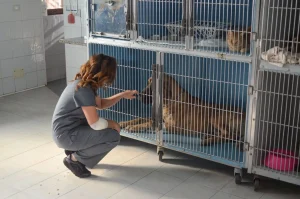

Animal rescue organizations are the unsung heroes in the battle against animal homelessness and neglect. Every day, they work tirelessly to save strays, provide medical care, and find loving homes for abandoned pets. But what does a typical day look like for these organizations? How do they manage to operate effectively amidst the challenges they face? In this article, we will take a deep dive into the daily operations of animal rescue organizations, exploring their processes, challenges, and the incredible impact they have on the lives of animals in need.
Understanding Animal Rescue Operations
The Mission of Animal Rescue Organizations
At the core of every animal rescue organization is a mission to save lives and promote responsible pet ownership. They focus on rescuing animals from abusive situations, providing shelter, medical care, and ultimately finding them forever homes. These organizations are often non-profit and rely heavily on donations, grants, and volunteers to carry out their work.
Statistics Highlighting the Need for Rescue
The need for animal rescue is staggering. According to the ASPCA, approximately 6.5 million companion animals enter U.S. shelters every year. While about 3.2 million are adopted, millions are still at risk of euthanasia due to overcrowding and limited resources. This alarming statistic underscores the vital role rescue organizations play in mitigating the crisis of stray and abandoned animals.
Daily Operations of Animal Rescue Organizations
Morning Routine: Starting the Day Right
The day begins early for staff and volunteers at animal rescue organizations. As the sun rises, they arrive at the shelter ready to start their daily routines. This often includes feeding the animals, cleaning their living spaces, and preparing for the day’s activities.
Feeding the Animals
Feeding is a top priority. Each animal has specific dietary needs based on its age, size, and health status. Staff members meticulously prepare meals, ensuring that all animals receive their food on time. For instance, puppies may require specialized puppy food to support their growth, while older dogs may need a diet tailored to their health conditions.
Cleaning and Maintenance
After feeding, the focus shifts to cleaning and maintaining the shelter. This includes sanitizing kennels, replacing bedding, and checking for any signs of illness or discomfort in the animals. A clean environment is essential for the health and well-being of the animals, helping prevent the spread of disease.
Medical Care: Providing Essential Services
Once the morning chores are complete, the focus often turns to medical care and rehabilitation for animals in need. Many rescue organizations have partnerships with veterinarians who provide essential medical services, including vaccinations, spaying and neutering, and treatment for injuries or illnesses.
Real-Life Example: Healing a Rescued Animal
Take the story of Bella, a Golden Retriever mix who was rescued from an abusive situation. When Bella arrived at the shelter, she was underweight and showed signs of severe anxiety. The organization immediately took her to a veterinarian for a thorough examination. Bella received treatment for her injuries and started a rehabilitation program to help her overcome her fears. Thanks to the dedication of the staff and volunteers, Bella eventually found a loving home where she thrived.
Adoption Services: Finding Forever Homes
Once animals have received the necessary medical care, they become eligible for adoption. Animal rescue organizations implement specific protocols to ensure that the adoption process is thorough and responsible.
The Adoption Process
The adoption process typically involves screening potential adopters to ensure they can provide a safe and loving home. This may include an application process, reference checks, and home visits. The goal is to match animals with families that will provide them with the care and love they deserve.
Community Engagement: Educating the Public
Education plays a key role in the operations of animal rescue organizations. Many organizations engage in community outreach to raise awareness about responsible pet ownership, spaying and neutering, and the importance of adoption.
Hosting Events
Community events, such as adoption fairs and educational workshops, are often organized to promote awareness and engagement. These events allow potential adopters to meet animals and learn more about the organization’s mission.
Expert Insight: According to Dr. Sarah Thompson, a veterinarian who collaborates with local rescues, “Community engagement is essential for raising awareness about the importance of adoption and responsible pet ownership. The more people know, the more they can help.”
Volunteer Coordination: The Heart of the Organization
Volunteers are the backbone of animal rescue operations. Daily activities often involve coordinating volunteer schedules, training new volunteers, and ensuring everyone is aware of their responsibilities.
Training and Orientation
New volunteers typically undergo training and orientation to familiarize themselves with the organization’s policies and procedures. This includes guidance on animal handling, cleaning protocols, and emergency procedures.
Foster Care Programs: Expanding Capacity
Foster care programs are crucial for managing the intake of animals. Many rescue organizations rely on foster homes to provide temporary care for animals until they are ready for adoption. This alleviates overcrowding in shelters and allows animals to thrive in a home environment.
The Foster Experience
Fostering can be a rewarding experience for both the animal and the foster caregiver. For example, a shy kitten named Luna was taken in by a foster family after being rescued from the streets. With the love and care of her foster parents, Luna blossomed into a confident and playful cat, ready for adoption.
Fundraising Activities: Sustaining Operations
Financial resources are critical for the survival of animal rescue organizations. Daily operations often involve planning and implementing fundraising activities to support their work. This can include online campaigns, charity events, and grant applications.
Real-Life Example: A Successful Fundraiser
Consider the case of a local animal rescue that organized a charity gala to raise funds for their operations. They invited community members to enjoy an evening of food, entertainment, and silent auctions. The event not only raised significant funds but also increased community awareness about the organization’s mission and the animals they help.
Emergency Response: Handling Crises
Animal rescue organizations must also be prepared for emergencies. This may involve responding to natural disasters, large-scale rescues, or animal cruelty cases.
Crisis Management
In the event of a natural disaster, such as a hurricane or wildfire, rescue organizations may need to evacuate animals from high-risk areas. This requires careful planning and coordination with local authorities to ensure the safety of the animals.
Expert Insight: “In times of crisis, our ability to respond quickly can mean the difference between life and death for many animals,” says Lisa, a rescue coordinator. “Having a solid emergency plan in place is essential for any organization.”
Collaboration with Other Organizations
Animal rescue organizations often collaborate with other local agencies, shelters, and rescue groups to maximize their impact. This collaboration can include sharing resources, cross-promoting events, and working together on large-scale rescue operations.
Building a Network of Support
By building partnerships within the community, rescue organizations can create a network of support that enhances their ability to save strays. This collaborative approach allows for the sharing of best practices and resources, ultimately benefiting the animals in their care.
The Impact of Animal Rescue Operations
Transforming Lives
The impact of animal rescue operations extends far beyond the animals they save. Every rescue story has the potential to inspire others to get involved, whether through adoption, volunteering, or donating.
Real-Life Success Stories
Take the story of Max, a once-neglected dog who was rescued and rehabilitated by a local animal rescue. After undergoing medical treatment and behavioral training, Max was adopted by a loving family. His transformation from a scared, abandoned dog to a beloved family member showcases the profound impact of animal rescue operations.
Creating a Community of Compassion
Animal rescue organizations foster a sense of community and compassion among people who share a love for animals. Through volunteer opportunities, events, and outreach, these organizations create connections that bring people together for a common cause.
Advocating for Change
In addition to rescuing animals, many organizations advocate for policy changes that promote animal welfare. This can include lobbying for stricter animal cruelty laws, promoting spaying and neutering programs, and raising awareness about the importance of adoption.
Challenges Faced by Animal Rescue Organizations
Overcrowding and Resource Limitations
One of the most significant challenges facing animal rescue organizations is overcrowding. Many shelters operate at or above capacity, making it difficult to provide adequate care for all animals.
Financial Constraints
Financial limitations can also hinder the ability of rescue organizations to operate effectively. With rising costs for veterinary care, food, and supplies, many organizations struggle to meet their financial needs.
Finding Foster Homes
Finding enough foster homes is another challenge. Many potential foster caregivers may hesitate due to misconceptions about the commitment involved, which can hinder rescue efforts.
How You Can Support Animal Rescue Operations
Financial Contributions
One of the most direct ways to support animal rescue organizations is through financial donations. Your contributions can help cover essential costs, including medical care, food, and shelter maintenance. Organizations often have specific needs that they highlight on their websites, so you can choose to support a cause that resonates with you.
Volunteering Your Time
Volunteering is another impactful way to support animal rescue efforts. Many organizations depend on volunteers to help with various tasks, including walking dogs, cleaning kennels, socializing with animals, and assisting with events. Your time can make a significant difference in the lives of these animals, providing them with the social interaction and care they need to thrive.
Fostering Animals
Fostering is an essential component of animal rescue that provides temporary homes for animals in need. By fostering, you can help alleviate overcrowding in shelters and give animals a chance to thrive in a loving environment. Fostering also helps socialize animals, making them more adoptable when the time comes.
Raising Awareness
Spreading awareness about animal rescue is crucial for encouraging others to get involved. Use your social media platforms to share stories of adoptable pets, highlight local rescue organizations, and promote spaying and neutering. The more people know about the realities of animal rescue, the more likely they are to support these efforts.
Advocating for Change
Advocacy is a powerful tool for driving change in animal welfare policies. You can support animal rescue by advocating for legislation that protects animals, promotes spaying and neutering, and supports funding for local shelters. Engaging with local representatives and participating in campaigns can amplify your voice and make a significant impact.
Conclusion
Animal rescue organizations operate daily to save strays and provide them with the care and love they deserve. Through dedicated staff, passionate volunteers, and a commitment to their mission, these organizations make a profound impact on the lives of countless animals. While they face significant challenges, the rewards of their work are immeasurable.
By supporting animal rescue operations through donations, volunteering, and raising awareness, you can play a vital role in helping these organizations continue their important work. Together, we can create a world where every animal has a safe and loving home.
FAQs
What do animal rescue organizations do?
Animal rescue organizations rescue, rehabilitate, and rehome stray and abandoned animals, providing them with medical care and loving homes.
How can I support animal rescue operations?
You can support animal rescue operations by donating, volunteering your time, fostering animals, raising awareness, and advocating for animal welfare.
What challenges do animal rescue organizations face?
Animal rescue organizations face challenges such as overcrowding, financial limitations, and finding enough foster homes to care for rescued animals.