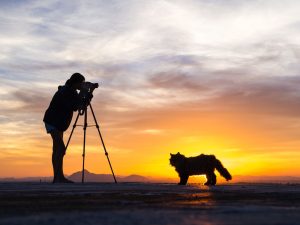
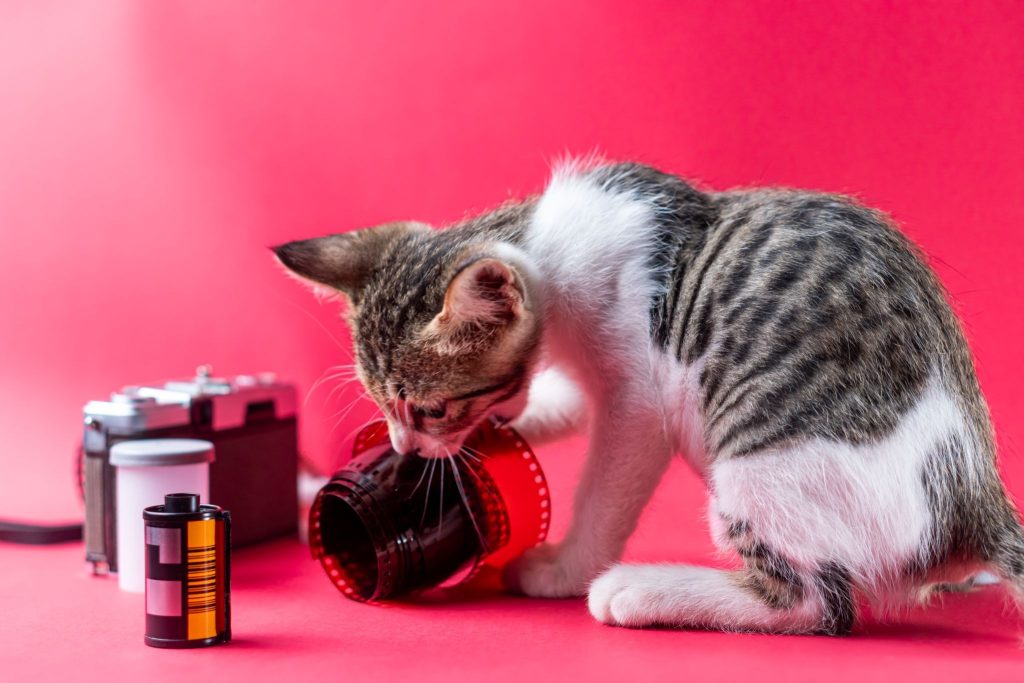
Embarking on a journey into pet photography can be an exhilarating experience. Capturing the unique personalities and expressions of furry companions requires not only skill and patience but also the right camera gear and lens setup. Whether you are a seasoned photographer or a pet lover looking to enhance your skills, understanding the best equipment for pet photography is essential. In this comprehensive guide, we will explore the top camera gear and lens setups that can elevate your pet photography game, ensuring you capture stunning images that showcase the beauty and character of your subjects.
Understanding Pet Photography
The Importance of Good Gear
In the realm of photography, the equipment you choose can significantly impact the quality of your images. High-quality gear allows for better performance in various lighting conditions, faster autofocus, and improved image clarity. In pet photography, where animals can be unpredictable, having reliable gear is vital for capturing those fleeting moments.
What to Look for in Pet Photography Gear
When selecting gear for pet photography, consider the following factors:
- Image quality: A good camera should produce sharp, vibrant images with accurate colors.
- Autofocus performance: Fast and accurate autofocus is crucial for capturing moving subjects.
- Low light performance: Pets often move around in various lighting conditions, so a camera that performs well in low light is beneficial.
- Durability: Pet photography can be an outdoor activity, so gear should be weather-resistant and robust enough to withstand various conditions.
Recommended Camera Bodies for Pet Photography
DSLRs vs. Mirrorless Cameras
Both DSLR and mirrorless cameras have their strengths and weaknesses. Understanding the differences can help you make an informed choice.
DSLR Cameras
Digital Single-Lens Reflex (DSLR) cameras have been the industry standard for many years. They offer excellent image quality, a wide selection of lenses, and a robust design. Popular models for pet photography include:
- Canon EOS 90D: Known for its fast autofocus system and high-resolution sensor, the Canon EOS 90D is a versatile option for pet photographers. It delivers stunning images and has a user-friendly interface, making it suitable for beginners and professionals alike.
- Nikon D7500: This camera is a compact DSLR with excellent low-light performance and a strong autofocus system. The Nikon D7500 is perfect for capturing pets in action, whether indoors or outdoors.
Mirrorless Cameras
Mirrorless cameras have gained popularity due to their lightweight design and advanced features. They often provide faster autofocus and continuous shooting speeds, making them ideal for pet photography. Some excellent options include:
- Sony A7 III: This full-frame mirrorless camera is known for its exceptional autofocus capabilities and low-light performance. The Sony A7 III is perfect for capturing sharp images of pets in various lighting conditions.
- Fujifilm X-T4: With its retro design and impressive image quality, the Fujifilm X-T4 is a favorite among pet photographers. Its fast autofocus and in-body image stabilization allow for crisp shots, even when pets are on the move.
Essential Lenses for Pet Photography
Prime Lenses
Prime lenses have a fixed focal length and are known for their sharpness and wide apertures. They are excellent for capturing portraits of pets, allowing for beautiful background blur (bokeh). Some recommended prime lenses include:
- Canon EF 50mm f/1.8 STM: This affordable lens is perfect for portraits, providing a shallow depth of field that emphasizes your subject. It’s lightweight and compact, making it an excellent addition to your pet photography gear.
- Nikon AF-S NIKKOR 50mm f/1.8G: Similar to the Canon 50mm, this lens offers outstanding sharpness and bokeh. It’s great for capturing detailed shots of pets, whether in the studio or outdoors.
Zoom Lenses
Zoom lenses offer flexibility with varying focal lengths, allowing you to adapt to different shooting situations without changing lenses. Recommended zoom lenses for pet photography include:
- Canon EF 24-70mm f/2.8L II USM: This versatile lens is a favorite among professional photographers. Its wide aperture and excellent image quality make it perfect for capturing pets in various environments.
- Nikon AF-S NIKKOR 24-70mm f/2.8E ED VR: This lens provides similar versatility and performance as the Canon version. Its vibration reduction technology helps produce sharp images, even in challenging conditions.
Telephoto Lenses
Telephoto lenses are ideal for capturing pets from a distance, particularly during outdoor shoots or when photographing shy animals. Recommended telephoto lenses include:
- Canon EF 70-200mm f/2.8L IS III USM: Known for its exceptional image quality and fast autofocus, this lens is a go-to choice for pet photographers. It allows for stunning portraits and action shots without disturbing your subject.
- Nikon AF-S NIKKOR 70-200mm f/2.8E FL ED VR: This lens provides similar features as the Canon version, making it perfect for capturing pets in motion or at a distance. Its image stabilization ensures sharp images, even at longer focal lengths.
Additional Accessories for Pet Photography
Tripods and Monopods
Stability is essential for capturing sharp images, especially in low-light situations or when using longer lenses. A sturdy tripod or monopod can help reduce camera shake and improve image quality. Look for lightweight options that are easy to transport, as pet photography often involves moving from one location to another.
Reflectors
Reflectors can help manipulate lighting, especially in outdoor settings. They can bounce light onto your subject, reducing harsh shadows and creating a more balanced exposure. A collapsible reflector is a great addition to your pet photography gear, as it is portable and easy to use.
Flash and Lighting Equipment
While natural light is often preferred, having an external flash can be beneficial for indoor shoots or during low-light conditions. Look for speedlights that are compatible with your camera system. Additionally, consider using softboxes or diffusers to create softer lighting that flatters your subjects.
Camera Bag
A reliable camera bag is essential for protecting your gear during shoots. Look for a bag that is spacious enough to hold your camera, lenses, and accessories while being comfortable to carry. A weather-resistant bag can provide extra protection during outdoor photography sessions.
Mastering Pet Photography Techniques
Understanding Animal Behavior
To capture stunning pet portraits, it’s crucial to understand animal behavior. Spend time observing your subject before the shoot to get a sense of their personality and quirks. This understanding will help you anticipate their movements and capture authentic moments.
Real-Life Example: Patience Pays Off
Photographer Laura Smith recalls a session with a particularly energetic puppy named Max. Instead of rushing through the shoot, she took time to play with him and let him explore the environment. This patience resulted in stunning candid shots that showcased Max’s playful spirit.
Using Natural Light
Natural light is often the best choice for pet photography. Aim to shoot during the golden hour—shortly after sunrise or before sunset—when the light is soft and warm. Position your subject in a way that takes advantage of the available light, ensuring they are well-lit without harsh shadows.
Composition Techniques
Composition plays a significant role in the impact of your pet photographs. Use techniques such as the rule of thirds, leading lines, and framing to create visually appealing images. Experiment with different angles and perspectives to add variety to your shots.
Capturing Action Shots
Pets are often on the move, making action shots a thrilling aspect of pet photography. To capture these moments, use continuous shooting mode and a fast shutter speed. This technique allows you to freeze motion and capture dynamic poses, showcasing the energy and personality of your subjects.
Post-Processing Your Pet Photography
The Importance of Editing
Post-processing is an essential step in refining your pet photography. Editing allows you to enhance colors, adjust exposure, and crop images for better composition. Don’t be afraid to experiment with different editing styles to find what works best for your aesthetic.
Recommended Editing Software
Several editing software options cater to photographers of all skill levels. Some popular choices include:
- Adobe Lightroom: This software is excellent for organizing and editing photos, offering a range of tools for color correction, exposure adjustments, and more.
- Adobe Photoshop: While more advanced, Photoshop provides powerful tools for retouching and editing. It’s especially useful for removing distractions or fine-tuning specific elements in your images.
Showcasing Your Pet Photography
Creating a Portfolio
Once you have honed your skills, consider creating a portfolio to showcase your work. A well-curated portfolio allows potential clients to see your style and expertise, increasing your chances of attracting new business. Include a diverse range of images that highlight your ability to capture different pets and situations.
Social Media and Online Presence
Social media platforms are excellent tools for showcasing your pet photography. Create dedicated accounts on platforms like Instagram and Facebook to share your work and connect with other pet lovers. Use relevant hashtags, such as #PetPhotography and #AnimalPortraits, to reach a broader audience.
Networking with Pet Owners and Businesses
Networking is crucial for growing your pet photography business. Attend local pet events, collaborate with pet-related businesses, and engage with pet owners in your community. Building relationships can lead to referrals and new opportunities for your photography.
Conclusion
Mastering pet photography requires the right gear, techniques, and understanding of animal behavior. By investing in quality camera gear and lenses, you can capture stunning images that showcase the unique personalities of pets. With practice, patience, and a passion for capturing these special moments, you can elevate your pet photography to new heights, creating lasting memories for pet owners and their beloved companions.