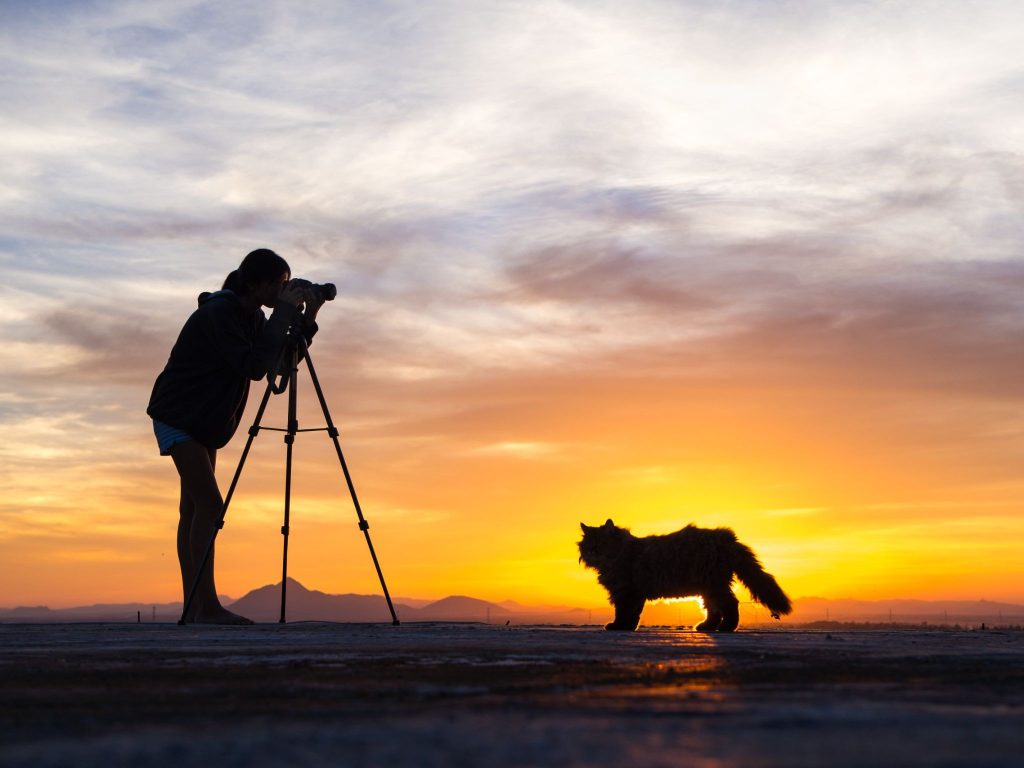
In the world of photography, few subjects are as captivating as pets. Whether it’s a playful puppy, a regal cat, or a curious rabbit, the ability to capture their unique personalities through the lens is a rewarding endeavor. However, mastering pet photography requires more than just a good camera; it demands an understanding of animal behavior, a keen eye for detail, and the right techniques to bring out the best in your furry subjects. This guide will provide you with everything you need to know to create stunning animal portraits that will charm anyone who views them.
Understanding Pet Photography
The Essence of Pet Photography
Pet photography is not just about taking pictures of animals; it’s about telling a story. Each pet has its own personality, quirks, and emotions that can be captured through thoughtful photography. The goal is to create images that resonate with viewers, allowing them to connect with the subject on a deeper level.
Why Pet Photography Matters
Capturing the essence of pets is important for several reasons. For pet owners, photography serves as a way to preserve memories of their beloved companions. These images become cherished keepsakes, immortalizing moments that might otherwise fade with time. Additionally, high-quality pet photography can play a crucial role in adoption campaigns for animal shelters, helping to showcase animals in need of homes.
Preparing for the Shoot
Choosing the Right Equipment
To start your journey in pet photography, you need to have the right equipment. While professional cameras can produce stunning results, many modern smartphones are also capable of taking excellent photographs. Here are some essential tools you may consider:
- Camera: A DSLR or mirrorless camera is ideal for pet photography due to their versatility and image quality. Look for a camera with a fast autofocus system, as pets can be unpredictable.
- Lenses: A good lens can make a significant difference in your photographs. A 50mm prime lens is excellent for portraits, while a zoom lens (like 24-70mm) provides flexibility in framing your shots.
- Tripod: Although not always necessary, a tripod can help stabilize your shots, especially in low-light conditions.
- Lighting Equipment: Natural light is often the best choice for pet photography, but having reflectors or portable flash units can help in challenging lighting situations.
Understanding Your Subject
Before you start snapping away, take some time to observe your subject. Understanding their behavior and personality is crucial for capturing authentic moments. Spend time with the pet before the photography session, allowing them to get comfortable with you and your camera. This rapport will help you capture more genuine expressions and actions.
Real-Life Example: Building Trust
Consider the story of Jake, a rescue dog who was initially shy and withdrawn. When photographer Laura approached him, she spent time playing and offering treats before bringing out her camera. By building trust, she was able to capture Jake’s playful side and genuine smiles, resulting in heartwarming portraits that showcased his transformation.
Setting the Scene
Finding the Perfect Location
The setting of your photos can significantly impact the final image. Look for locations that complement your pet’s personality. For energetic dogs, an open field or a park can provide a dynamic backdrop. For more laid-back pets, a cozy indoor setting might be ideal.
Considering the Background
Pay attention to the background of your shots. A cluttered or distracting background can take the focus away from your subject. Aim for simple, clean backgrounds that enhance the subject without overwhelming it. Natural elements, such as trees, flowers, or even a plain wall, can work wonders.
Lighting: The Key to Great Photos
Lighting is one of the most critical aspects of photography. Natural light is often the best option for pet photography, especially during the golden hour—shortly after sunrise or before sunset—when the light is soft and warm. If you’re shooting indoors, position your subject near a window to take advantage of natural light.
Expert Insight: Understanding Natural Light
Photographer Michael Johnson, who specializes in pet portraits, advises, “Always work with natural light when you can. It brings out the true colors of your subject and creates a soft, flattering look. If you must use artificial light, make sure it’s diffused to avoid harsh shadows.”
Capturing the Moment
Techniques for Stunning Pet Portraits
Now that you’re prepared, it’s time to capture those beautiful moments. Here are some techniques to consider:
Use Continuous Shooting Mode
Pets can be unpredictable, making it essential to capture multiple shots in quick succession. Using continuous shooting mode allows you to take several photos in a short time, increasing your chances of getting the perfect shot.
Focus on the Eyes
The eyes are the window to the soul, even for animals. Make sure to focus on the pet’s eyes when taking portraits. Sharp, clear eyes can convey emotion and connection, making the image more compelling.
Experiment with Angles
Don’t be afraid to get creative with your angles. Shooting from a lower perspective can make your subject appear more majestic, while high angles can create a playful vibe. Experimenting with different viewpoints can lead to unique and stunning compositions.
Candid vs. Posed Shots
Both candid and posed shots have their place in pet photography. Candid shots can capture the essence of a pet’s personality, showcasing their quirks and behaviors. Posed shots, on the other hand, can be more controlled and allow you to highlight specific features.
Real-Life Example: Capturing Candid Moments
During a recent shoot at a local animal shelter, photographer Sarah Thompson focused on capturing candid moments as the dogs interacted with each other and their handlers. The resulting images portrayed the joy and excitement of the animals, making them more relatable to potential adopters.
Post-Processing Your Images
The Importance of Editing
Once you’ve captured your images, it’s time to edit them. Post-processing is an essential step in photography that allows you to enhance your images and correct any mistakes made during shooting. Here are some common editing techniques for pet photography:
Adjusting Exposure and Contrast
Make sure your images have the right exposure and contrast. Brightening shadows and adjusting highlights can significantly improve the overall look of your photos.
Cropping for Composition
Cropping can help you focus on the most important elements of your photo. Ensure that your subject is well-framed and that there is enough space around them to avoid a cramped appearance.
Color Correction
Sometimes, colors can appear washed out or overly saturated. Use editing software to adjust color balance and saturation, ensuring that the final image reflects the pet’s true colors.
Recommended Editing Software
While there are many editing software options available, some popular choices include Adobe Lightroom, Photoshop, and Capture One. These programs offer a range of tools to help you enhance your images effectively.
Showcasing Your Work
Creating a Portfolio
Once you have honed your skills in pet photography, consider creating a portfolio to showcase your work. A well-curated portfolio allows potential clients to see your style and expertise, increasing your chances of attracting new business.
Sharing on Social Media
Social media platforms are excellent tools for showcasing your pet photography. Create dedicated accounts on platforms like Instagram and Facebook to share your work and connect with other pet lovers. Use relevant hashtags, such as #PetPhotography and #AnimalPortraits, to reach a broader audience.
Engaging with Your Audience
Engagement is key to growing your online presence. Interact with your followers by responding to comments, sharing behind-the-scenes content, and asking for feedback. Building a community around your work can help you establish a loyal following.
Real-Life Example: Building a Brand
Photographer Emily Carter started sharing her pet photography on Instagram, showcasing her charming portraits of dogs and cats. Through consistent posting and engagement with her audience, she gained a large following, leading to opportunities for paid shoots and collaborations with local pet businesses.
Tips for Success in Pet Photography
Patience is Key
Working with animals can be unpredictable, so patience is essential. Allow pets to explore and get comfortable in front of the camera. Take your time, and don’t rush the process.
Keep It Fun
Pets can sense their owner’s energy, so keeping the atmosphere light and fun will help create better images. Use toys, treats, and playful interactions to elicit natural expressions and actions.
Continuously Learn and Adapt
Pet photography is an evolving field, and there’s always something new to learn. Attend workshops, follow other photographers, and keep experimenting with different techniques to improve your skills.
Conclusion
Mastering pet photography is a rewarding journey that requires practice, patience, and a passion for capturing the unique personalities of animals. By understanding the essential techniques, preparing adequately, and honing your skills, you can create stunning portraits that resonate with pet lovers everywhere. Whether you’re a hobbyist or aspiring to turn your passion into a profession, the world of pet photography offers endless opportunities for creativity and connection.
FAQs
What equipment do I need for pet photography?
A DSLR or mirrorless camera, a versatile lens (like a 50mm or zoom lens), and good lighting are essential for capturing stunning pet portraits.
How can I make my pet comfortable during a photoshoot?
Spend time with your pet before the shoot, use treats and toys, and create a relaxed environment to help them feel at ease.
What editing software is best for pet photography?
Adobe Lightroom and Photoshop are popular choices for editing pet photos, offering a range of tools to enhance your images effectively.